MITR

[email protected]
Call: 9004290790
/ 6262690790
Facebook Instagram Youtube
Menu
  • About
    • Story of MITR
    • Management Team
  • Specialities
    • Urology
      • Testimonials
    • Robotic Surgery Centre
    • Pediatric Urology & Pediatric Surgery
    • General, GI & Laparoscopic Surgery
    • Gynecology & Endogynecology
    • Gastroenterology & Hepatology
    • Orthopedics
    • Joint Replacement Centre
    • Spine Surgery
    • Oncology & Onco surgery
    • Physician & Intensivist
    • Radiology
    • Nephrology
    • Cosmetic Surgery & Plastic Surgery
    • Anaesthesia
    • Neurology
    • ENT
    • Physiotherapy
  • Our Facilities
    • Cashless Insurance
    • Emergency Department
    • Outpatient Department
    • Robotic Surgery
    • In Patient Department
    • Intensive Care Unit
    • Operation Theater
    • Endoscopy Suite
    • Lithotripsy
    • Pharmacy
    • Pathology
  • Our Doctors
  • Media
    • Gallery
    • Media Article
    • Videos
  • Blog
  • Case Studies
  • Contact
default-logo
Book An Appointment
default-logo
Menu
  • About
    • Story of MITR
    • Management Team
  • Specialities
    • Urology
      • Testimonials
    • Robotic Surgery Centre
    • Pediatric Urology & Pediatric Surgery
    • General, GI & Laparoscopic Surgery
    • Gynecology & Endogynecology
    • Gastroenterology & Hepatology
    • Orthopedics
    • Joint Replacement Centre
    • Spine Surgery
    • Oncology & Onco surgery
    • Physician & Intensivist
    • Radiology
    • Nephrology
    • Cosmetic Surgery & Plastic Surgery
    • Anaesthesia
    • Neurology
    • ENT
    • Physiotherapy
  • Our Facilities
    • Cashless Insurance
    • Emergency Department
    • Outpatient Department
    • Robotic Surgery
    • In Patient Department
    • Intensive Care Unit
    • Operation Theater
    • Endoscopy Suite
    • Lithotripsy
    • Pharmacy
    • Pathology
  • Our Doctors
  • Media
    • Gallery
    • Media Article
    • Videos
  • Blog
  • Case Studies
  • Contact
Book An Appointment

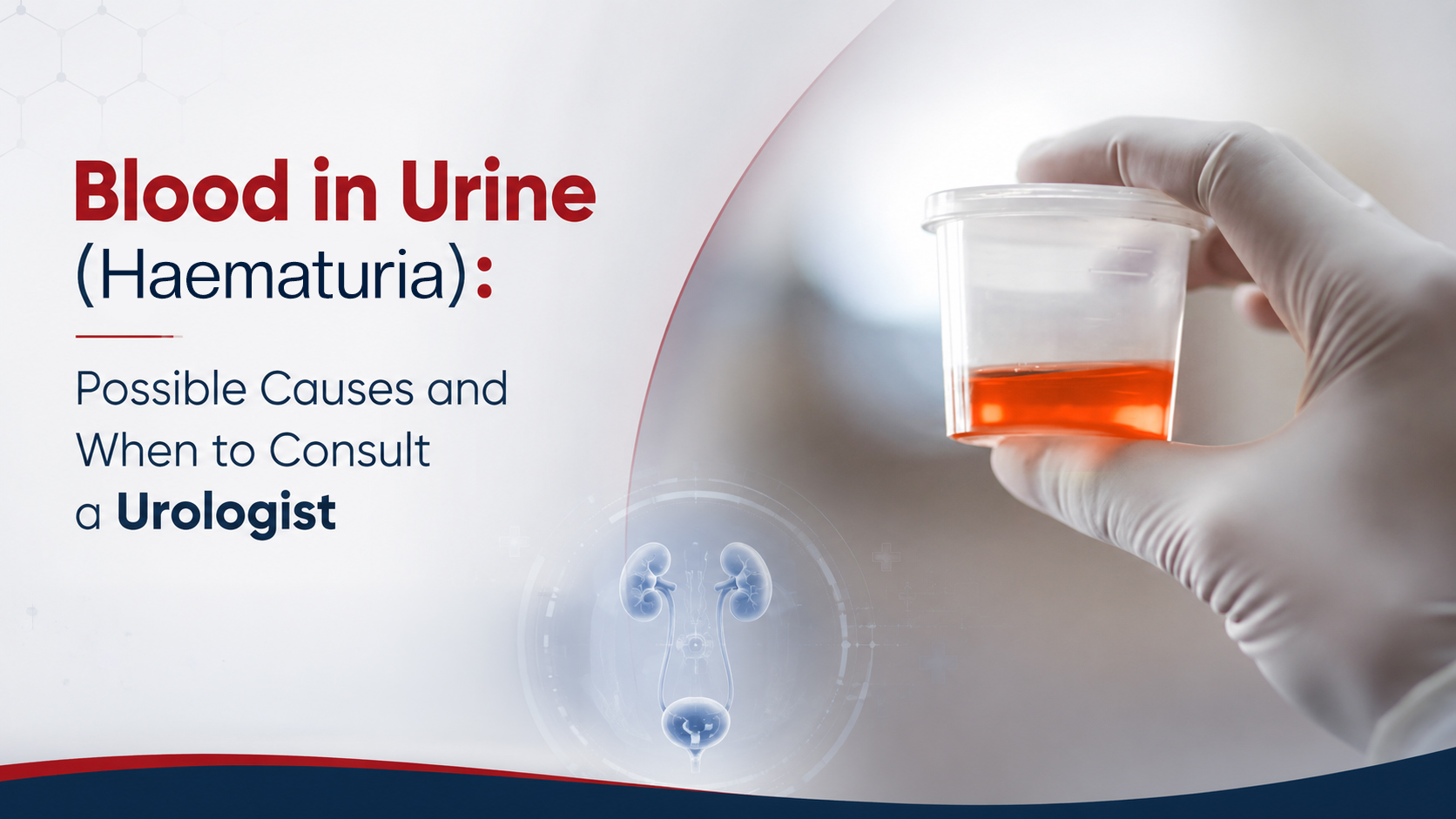
Blood in Urine (Haematuria): Possible Causes and When to Consult a Urologist

  • Home
  • Urology
  • Blood in Urine (Haematuria): Possible Causes and When to Consult a Urologist
Blood in Urine
September 7, 2026
  • MITR Hospital
  • 0 Comments

Noticing blood in your urine can be unsettling, especially when you cannot immediately tell why it is happening. Sometimes, it can be caused by a common problem such as a urinary tract infection or kidney stone. In other cases, it may be linked to a condition affecting the kidneys, bladder, prostate, or another part of the urinary tract.

Blood in the urine is called haematuria. It can be clearly visible, making the urine look pink, red, or brown, or it may only be detected during a urine test. Whatever the case, blood in the urine should not be ignored, particularly if it keeps coming back or occurs without any obvious cause.

Table of Contents

  • Key Takeaways
  • What is Haematuria?
  • What Are the Common Causes of Blood in the Urine?
  • How is Blood in the Urine Diagnosed?
  • When Should You Consult a Urologist?
  • What Treatment is Used for Blood in the Urine?
  • Getting the Right Care for Blood in Urine
  • FAQs About Blood in Urine (Haematuria): Possible Causes and When to Consult a Urologist

Key Takeaways

  • Blood in the urine can have several causes, including urinary tract infections, kidney stones or kidney tumor, prostate problems, and urethral stricture. 
  • Haematuria can occur with or without pain and may be visible or detected only through a urine test.
  • Even a single episode of visible blood in the urine is worth getting checked.
  • Tests such as urine analysis, blood tests, ultrasound, CT scans, retrograde urethrogram (RGU) or cystoscopy may be recommended depending on the symptoms.
  • Seeing a urologist can help identify the cause and determine whether treatment is needed.

What is Haematuria?

Haematuria means that blood is present in the urine. It can be visible haematuria, where the urine changes colour, or microscopic haematuria, where blood can only be detected through urine testing.

Blood may come from different parts of the urinary system, including the kidneys, ureters, bladder, or urethra. This is why haematuria can have several different causes, ranging from infections and stones to conditions that require more detailed investigation.

What Are the Common Causes of Blood in the Urine?

common causes of blood

Blood in the urine does not always point to a serious condition. However, because there are several possible causes, it is important to find out what is behind it rather than assuming it will go away on its own.

1. Urinary Tract Infection

A urinary tract infection (UTI) can cause blood in the urine, particularly when the infection affects the bladder.

You may also notice:

  • Burning or pain while passing urine
  • A frequent urge to urinate
  • Passing small amounts of urine frequently
  • Lower abdominal discomfort
  • Cloudy or strong-smelling urine

If the infection spreads to the kidneys, you may also develop fever, chills, nausea, vomiting, or pain in your back or side.

2. Kidney or Bladder Stones

Kidney stones form when minerals in the urine harden into deposits. As a stone moves through the urinary tract, it can cause irritation and bleeding.

Typical symptoms include:

  • Sharp pain in the back or side
  • Pain that moves towards the lower abdomen or groin
  • Blood in the urine
  • Nausea or vomiting
  • Pain while passing urine

Smaller stones may pass naturally, while larger stones or those causing a blockage may need medical or surgical treatment.

3. Enlarged Prostate

In men, an enlarged prostate can sometimes cause blood in the urine. It can also affect the normal flow of urine.

Other symptoms may include:

  • Difficulty starting urination
  • A weak or interrupted urine stream
  • Frequent urination
  • A sudden or urgent need to urinate
  • Waking up several times at night to pass urine

An enlarged prostate is common as men get older, but urinary symptoms should still be assessed to understand the underlying cause.

4. Kidney Conditions

Some conditions affecting the kidneys can cause microscopic blood in the urine without any visible change in its colour.

For example, inflammation of the kidney’s filtering units can cause blood and sometimes protein to appear in the urine. Further testing may be needed to determine whether the kidneys are involved.

5. Injury or Strenuous Exercise

An injury to the kidneys or urinary tract can result in blood in the urine. In some cases, strenuous exercise has also been associated with haematuria.

However, visible blood after exercise should not automatically be attributed to physical activity. If it happens, it is better to get it checked.

6. Certain Medicines

Some medicines can contribute to change in the colour of urine. We need to confirm and rule out the presence of blood in the urine in them. Blood-thinning medicines, for example, can make bleeding more likely in some situations.

If you notice blood in your urine after starting a new medicine, speak to your doctor. Do not stop prescribed medication without medical advice.

7. Conditions Affecting the Urinary Tract

In some cases, blood in the urine can be associated with conditions affecting the bladder, kidneys, or prostate, including cancer.

This does not mean that blood in the urine is a sign of cancer. There are many other, more common causes. However, unexplained or recurring blood in the urine should be investigated so that any underlying condition can be identified early.
How is Blood in the Urine Diagnosed?

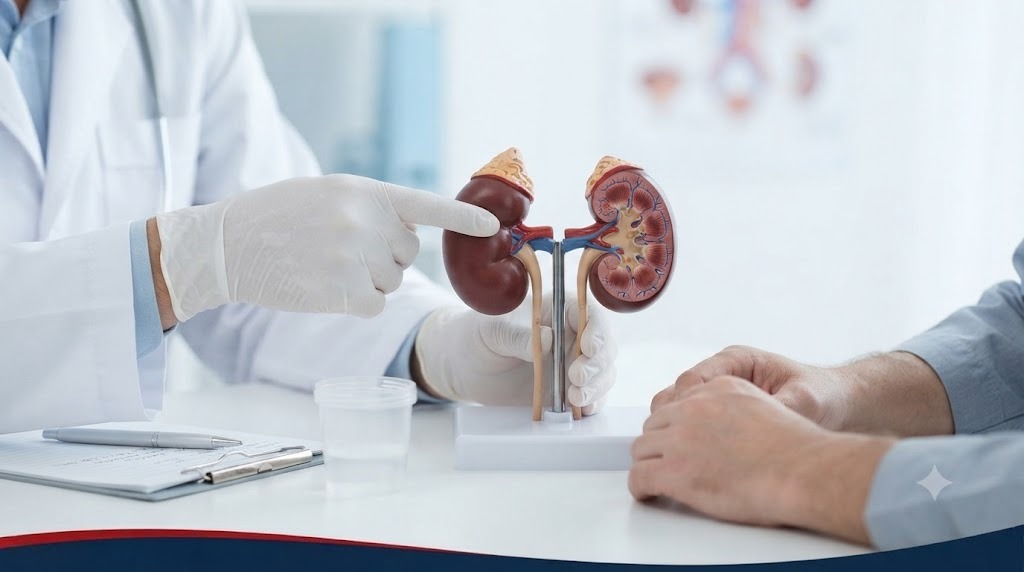
The first step is usually a discussion about your symptoms, medical history, medicines, and when you first noticed the change.

Depending on what your doctor finds, you may need one or more of the following tests:

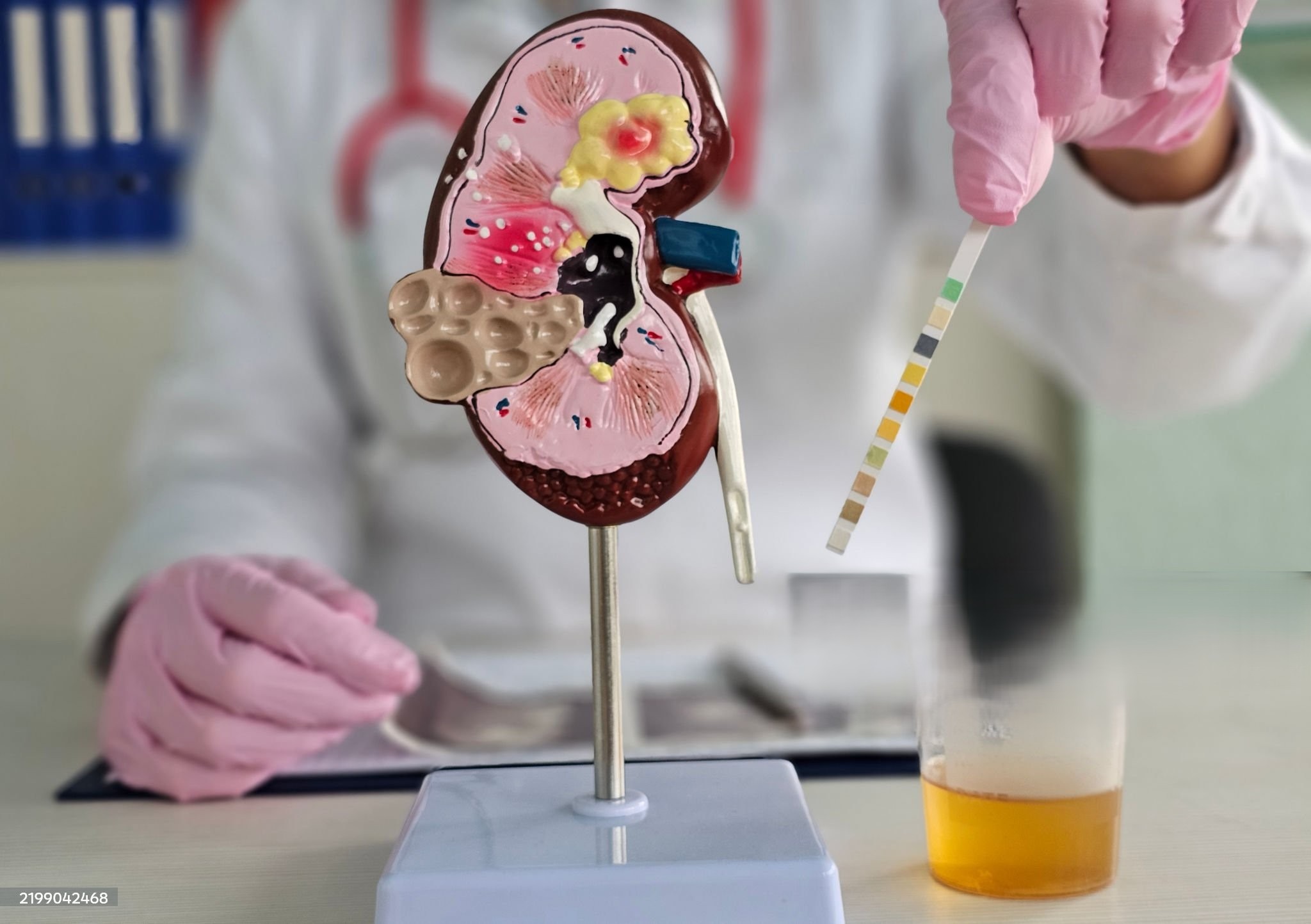
  • Urine tests: To check for blood, infection, and other abnormalities.
  • Blood tests: To assess kidney function, look for signs of infection or elevated prostate specific antigen.
  • Ultrasound or CT scan: To examine the kidneys, bladder, and urinary tract for stones, blockages, or other abnormalities.
  • Cystoscopy: A thin camera is passed through the urethra to examine the inside of the bladder.

The tests recommended will depend on your symptoms and individual circumstances.

When Should You Consult a Urologist?

consult a urologist

Blood in the urine is worth getting checked even if it happens only once, there is only a small amount of blood, or you do not have any pain.

You should seek medical attention promptly if blood in your urine is accompanied by:

  • Severe pain in the back, side, or abdomen
  • Fever or chills
  • Nausea or vomiting
  • Burning or pain while passing urine
  • Difficulty passing urine
  • Blood clots in the urine
  • Repeated episodes of blood in the urine
  • Unexplained weight loss or persistent weakness

An evaluation can help determine whether the blood is linked to an infection, stone, prostate problem, or another condition requiring treatment.

What Treatment is Used for Blood in the Urine?

There is no single treatment for haematuria because the treatment depends on what is causing the bleeding.

A UTI (urinary tract infection) may require antibiotics, while smaller kidney stones may be managed with medicines and fluids. Larger stones may need procedures to remove them. Similarly, treatment for an enlarged prostate depends on the severity of the symptoms and how much it is affecting the urinary system.

If a more complex condition is found, your urologist will discuss the available treatment options based on your diagnosis.

Getting the Right Care for Blood in Urine

Blood in the urine can have a simple explanation, but it can also be a sign of a condition that needs further investigation. The safest approach is to get it checked rather than waiting for it to happen again.

If you are looking for a urologist in Kharghar for treating blood in urine, MITR Hospital has experienced urologists Dr Manish Dubey and Dr Vijaykumar Yadav who specialise in different areas of urological care. Dr. Vijaykumar Yadav, for instance, specialises in urology, uro-oncology, andrology, and laparoscopic and robotic surgery. 

MITR Hospital’s Urology Department provides care for a range of kidney, bladder, urinary tract, prostate, and male reproductive conditions. Patients have access to diagnostic evaluation as well as endoscopic, laparoscopic, laser, and robotic treatment options where appropriate.

FAQs About Blood in Urine (Haematuria): Possible Causes and When to Consult a Urologist

Does red or pink urine always signify bleeding?

Not necessarily. A change in urine colour can occur for various reasons besides the presence of blood. Certain foods, such as beetroot or berries, as well as specific medicines and supplements, can alter its appearance. In women, menstruation may also be mistaken for blood coming from the urinary tract. If you are concerned about a change in colour, a urine analysis is the most reliable way to confirm if blood is actually present.

Is blood in the urine always a serious problem?

Not necessarily. Common issues like urinary tract infections, kidney stones, an enlarged prostate, or certain medications can cause blood in the urine. However, because haematuria can occasionally signal a more serious underlying condition, it is important to have a doctor evaluate it.

Can a UTI cause blood in the urine?

A UTI can sometimes cause blood in the urine. You may also notice burning while passing urine, needing to urinate more often, or discomfort in the lower abdomen. If you develop fever, chills, vomiting, or pain in your back or side, get medical attention promptly.

Can kidney stones cause blood in the urine?

Yes, kidney or bladder stones can cause bleeding as they move through the urinary tract. Sharp pain in the back, side, lower abdomen, or groin is also common, particularly when a stone is passing.

Should I see a urologist for blood in my urine?

It is worth getting checked, even if the bleeding happens only once or there is no pain. A urologist can assess your symptoms and recommend the right tests to find out where the blood is coming from.

What tests are done for blood in the urine?

There isn’t one test that is right for everyone. Your doctor may start with a urine or blood test and, depending on your symptoms, may recommend an ultrasound, CT scan, or cystoscopy to look more closely at the urinary tract.

Dr. Vijaykumar Yadav, Urologist and Andrologist
Medically Reviewed By

Dr. Vijaykumar Yadav

Urologist
Urologist | Uro-Oncosurgeon | Andrologist | Laparoscopic & Robotic Surgeon
MBBS, DNB (Gen. Surgery), DNB (Urology)

Available On:
Mon to Fri: 7.30 PM onwards
Saturday: 5.30 PM onwards
View Doctor Profile →
Written By

Editor

Table of Content

  • Key Takeaways
  • What is Haematuria?
  • What Are the Common Causes of Blood in the Urine?
  • How is Blood in the Urine Diagnosed?
  • When Should You Consult a Urologist?
  • What Treatment is Used for Blood in the Urine?
  • Getting the Right Care for Blood in Urine
  • FAQs About Blood in Urine (Haematuria): Possible Causes and When to Consult a Urologist

Categories

  • Andrology[ 1 ]
  • Endocrinologist[ 2 ]
  • Gastroenterology[ 17 ]
  • Gastrointestinal[ 2 ]
  • General Surgery[ 10 ]
  • Gynecology[ 13 ]
  • Hospital[ 7 ]
  • Laparoscopic Surgery[ 4 ]
  • Minimally invasive surgery[ 1 ]
  • Orthopedic[ 16 ]
  • Pediatric Urology[ 3 ]
  • Radiology Articles[ 2 ]
  • Robotic Surgery[ 6 ]
  • Spine surgery Articles[ 1 ]
  • Urology[ 21 ]

Recent Posts

urinary symptoms not to ignore
October 13, 2026
Enlarged Prostate: Which Urinary Symptoms Should You Not Ignore?
Kidney Stones in Your 20s and 30s
October 5, 2026
Kidney Stones in Your 20s and 30s: Why Younger Patients Are Showing Up More
Painless Kidney Stone Removal
October 5, 2026
Painless Kidney Stone Removal? What “Minimally Invasive” Really Means in Kharghar

Urology & Andrology

  • Kidney Stone
  • Laser surgery
  • Lithotripsy
  • Prostate enlargement
  • Urine Incontinence
  • Bladder Cancer
  • Kidney Cancer

GI + Laparoscopy

  • Single incision Lap surgery
  • Hernia
  • Gall Bladder stone
  • Appendicitis
  • Piles Surgery
  • Intestinal Diseases

Pediatric Urology

  • Hypospadias
  • Antenatal Hydronephrosis
  • Undescended testis
  • Pelvi-ureteric junction (PUJ) obstruction
  • Hernia in children
  • Vesicoureteral Reflux

Gynecology

  • Menstrual Irregularities
  • Fibroid Uterus
  • Uterus Removal
  • Ovarian Cyst
  • Endometriosis
  • Infertility
  • Adenomyosis
  • PCOS
  • Post menopausal bleeding

Gastroenterology

  • Luminal GI
  • Advanced endoscopy
  • Hepatology

Orthopedic

  • Hip Replacement
  • Knee Joint Replacement
  • Sports Injuries
  • Arthritis Treatment
  • Fracture treatment

Quick Links

  • Patient & Relatives Guide
  • FAQ’s
  • Privacy & Policy
  • Terms & Conditions

Contact Us

Location

Plot:37, Eden Gardens, Opposite Harmony International School, Sector-5, Kharghar, Navi Mumbai, Maharashtra 410210

Contact No

+91 9004290790
+91 6262690790
+91 6262840940

📅 Book Appointment
Copyright 2026 @ All rights reserved with MITR Hospital. Powered by The Adroit
  • →
  • Contact Us
    Contact Form

  • Phone
  • Appointment
  • Facebook
  • Instagram Page
  • YouTube