MITR

[email protected]
Call: 9004290790
/ 6262690790
Facebook Instagram Youtube
Menu
  • About
    • Story of MITR
    • Management Team
  • Specialities
    • Urology
    • Robotic Surgery Centre
    • Pediatric Urology & Pediatric Surgery
    • General, GI & Laparoscopic Surgery
    • Gynecology & Endogynecology
    • Gastroenterology & Hepatology
    • Orthopedics
    • Joint Replacement Centre
    • Spine Surgery
    • Oncology & Onco surgery
    • Physician & Intensivist
    • Radiology
    • Nephrology
    • Cosmetic Surgery & Plastic Surgery
    • Anaesthesia
    • Neurology
    • ENT
    • Physiotherapy
  • Our Facilities
    • Cashless Insurance
    • Emergency Department
    • Outpatient Department
    • Robotic Surgery
    • In Patient Department
    • Intensive Care Unit
    • Operation Theater
    • Endoscopy Suite
    • Lithotripsy
    • Pharmacy
    • Pathology
  • Our Doctors
  • Media
    • Gallery
    • Media Article
    • Videos
  • Blog
    • Urology & Men’s Health
      • Urology
      • Pediatric Urology
      • Andrology
      • Endocrinologist
    • Digestive & Surgery
      • Gastroenterology
      • Gastrointestinal
      • General Surgery
      • Laparoscopic Surgery
      • Minimally invasive surgery
    • Women & Bone Health
      • Gynecology
      • Orthopedic
      • Spine surgery Articles
    • Robotic Surgery & More
      • Robotic Surgery
      • Radiology Articles
      • Hospital
      • All Articles →
  • Case Studies
  • Contact
MITR Hospital
Book An Appointment
MITR Hospital
Menu
  • About
    • Story of MITR
    • Management Team
  • Specialities
    • Urology
    • Robotic Surgery Centre
    • Pediatric Urology & Pediatric Surgery
    • General, GI & Laparoscopic Surgery
    • Gynecology & Endogynecology
    • Gastroenterology & Hepatology
    • Orthopedics
    • Joint Replacement Centre
    • Spine Surgery
    • Oncology & Onco surgery
    • Physician & Intensivist
    • Radiology
    • Nephrology
    • Cosmetic Surgery & Plastic Surgery
    • Anaesthesia
    • Neurology
    • ENT
    • Physiotherapy
  • Our Facilities
    • Cashless Insurance
    • Emergency Department
    • Outpatient Department
    • Robotic Surgery
    • In Patient Department
    • Intensive Care Unit
    • Operation Theater
    • Endoscopy Suite
    • Lithotripsy
    • Pharmacy
    • Pathology
  • Our Doctors
  • Media
    • Gallery
    • Media Article
    • Videos
  • Blog
    • Urology & Men’s Health
      • Urology
      • Pediatric Urology
      • Andrology
      • Endocrinologist
    • Digestive & Surgery
      • Gastroenterology
      • Gastrointestinal
      • General Surgery
      • Laparoscopic Surgery
      • Minimally invasive surgery
    • Women & Bone Health
      • Gynecology
      • Orthopedic
      • Spine surgery Articles
    • Robotic Surgery & More
      • Robotic Surgery
      • Radiology Articles
      • Hospital
      • All Articles →
  • Case Studies
  • Contact
Book An Appointment

Cosmetic Surgery & Plastic Surgery

  • Home
  • Cosmetic Surgery & Plastic Surgery
  • Urology
  • Robotic Surgery Centre
  • Pediatric Urology & Pediatric Surgery
  • General, GI & Laparoscopic Surgery
  • Gynecology & Endogynecology
  • Gastroenterology & Hepatology
  • Orthopedics
  • Joint Replacement Centre
  • Spine Surgery
  • Oncology & Onco surgery
  • Physician & Intensivist
  • Radiology
  • Nephrology
  • Cosmetic Surgery & Plastic Surgery
  • Physiotherapy
  • ENT
  • Neurology
  • Anaesthesia
Cosmetic Surgery treatment in Kharghar

Cosmetic Surgery & Plastic Surgery

Cosmetic surgery involves restoration, reconstruction, or alteration of the human body. It can be used to correct defects present from birth or to repair skin and tissue damage caused by disease, illness or injury later in life.
There are many different situations where plastic surgery may be needed, and a variety of surgical procedures can be used. The most common reasons of going under the knife are:-

1. to repair the skin after the removal of cancerous tissues.
2. to repair damaged skin and improve its appearance.
3. to correct defects present at birth.

We perform various surgeries like reconstructive surgery, hair transplantation/hair loss treatment, skin related surgeries etc.

Reconstructive Plastic Surgery:

A reconstructive surgery is the one in which the form and functionality of the damaged body part is restored just like a normal organ. This type of surgery is often performed on organs such as nose, jaw, hand, ears or fingers. Apart from this, it can also be performed on deformed digits due to mishap, accident, cancer or birth defects.

Reconstructive Surgery includes:

1. Congenital cleft lip or palate
2. Surgery for congenital hand defects
3. Surgery for hand injuries
4. Cranio-maxillo-facial surgery
5.Surgery for acute burns
6. Surgery for post burn contractures
7. Reconstruction of skin lesions and skin defects
8. Reconstruction of skin loss on leg
9. Reconstruction of pressure sores

Hair Transplantation / Hair Loss Treatment:

Hair fall is an important part of the hair growth cycle and has been a common phenomenon of our lives. Although a loss of 50 to 100 hairs every day is not an alarming indication, noticeable thinning and receding hairline surely are the grave signs of hair fall. Hair loss and the resulting baldness can seriously dampen one’s confidence and can also cause emotional distress. One of the most common reasons for hair loss is hereditary condition, also known as Androgenetic Alopecia (AGA). In the initial stages of AGA, the hair follicles start shrinking, thereby shortening the life cycle of hair.

Now that the growth cycle has shortened, the growing hairs are shorter and thinner in their size and volume respectively. This deterioration continues till the point that the growth cycle stops to function completely. Hair thinning can be treated completely and successfully. Modern hair transplant has emerged as one of the best solution for the problem.

Follicular Unit Transplantation, as it is known as, can be done by two methods:

1. Strip method
2. FUE method

In Strip Method, a strip of hair bearing layer of scalp is taken. This strip is usually taken either from the back or the sides of the head. This area from where the scalp is taken is called as donor area. These strips are then dissected with the help of ST microscopes and are transplanted on the bald area. This transplanted area is called the recipient area. Wider areas are targeted to cover in order to get more number of grafts in one single session. One session can have transplants as high as 6000 units. At times, this treatment leaves a scar on the donor area. However, that scar can be gotten rid of by tricophytic closure.

In FUE Method, hair follicles are singled out and then implanted on the bald patch. The eventual result of this treatment not only seems natural, but also involves very less recovery time. Since local anesthesia is used for the treatment, patient can indulge in watching TV or reading while the treatment takes place. For the completion of FUE treatment, 2-3 sessions are required generally. It is one of the most advanced treatment therapy which results in permanent and natural output. The patient can resume his daily life within 24 hours of the therapy. Like a normal individual he can also oil and shampoo his newly obtained hair. A period of 6-8 months is required between two transplant sessions. This technique is also being used for the plantation of beard, moustache and eye brows by men and women alike.

Hair Loss Medical Treatment :

Medical treatment has proved to be more than useful for hair treatment, even before the need for transplantation arises. Two of the few medicines that have been approved by the drug governing bodies worldwide for curbing baldness are Finasteride and Minoxidil. Minoxidil was previously developed to treat high blood pressure. But usage of this drug in oral form was restricted owing to its multiple side effects. One such side effect was ‘hypertrichosis’ or growth of hair on face and other parts of the body. What it actually does is prolongs the growth phase of hair. This precisely was the reason why Minoxidil was used in the treatment of hair loss. Minoxidilconsumers have to be extremely patient as it takes anywhere between 6 to 12 months to show results. Taking a break during medication will dissolve any kind of effect created. Minoxidil must be consumed twice a day, since the restricted use of once in a day has been proven largely ineffective.

Although Finasteride as a drug has been available for many years, it was only since 1998 that it was approved for the treatment of male pattern balding. Since then, it has been manufactured as a 1mg oral tablet called as Finast. The drug inhibits the formation of dihydrotestosterone (DHT), which is responsible for reduction in hair growth. As its level decreases, the process of damaging the hair growth also reduces, thereby ceasing baldness. However, Finast comes with hoards of side effects like impotency, abnormal ejaculation and sexual function, erectile dysfunction among several others related to sexual activity.

Plastic Surgery :

Plastic surgery is a medical specialty that involves the restoration, alteration, or reconstruction of the human body. It can be broadly categorized into two main types: reconstructive surgery and aesthetic or cosmetic surgery.

1. Trauma Reconstruction:

  • Addresses injuries caused by accidents, burns, or other traumatic events.
  • Techniques involve restoring both function and appearance.

2. Breast Reconstruction:
➢ Often performed after mastectomy (breast removal) due to cancer.
➢ Involves restoring the breast’s shape and appearance.

Urology And Andrology
Hypospadia Surgery
Urology And Andrology
  • Kidney and Ureteral Stones: This is a condition in which a solid material is formed due to the presence of certain substances in higher proportion in urine. These can be extremely painful and can be found blocking the urine flow from kidneys to the urinary bladder. They are of various sizes and shapes; hence treatment is based on the aspects like- location of the stone, size, surface of stone and shape of stone.
  • Bladder stones: They are stones found in urinary bladder.
  • Urinary tract obstructions like PUJO (Pelvi-ureteric junction obstruction)
  • Urinary Tract Infections: any infection that occurs in the urinary system is called as urinary tract infection. This infection could affect the kidneys, ureters, bladder or urethra.
  • Urethral strictures
  • Urinary Incontinence: A medical condition that leads to no control over the bladder.
  • Neurogenic Bladder: The urinary bladder has nerves and muscles that work in synchronisation to allow urination to occur. But in cases of nerve injury due to an illness or trauma, the nerve endings to the bladder are damaged as well which hamper normal urination. Due to this miscommunication between the nerves and muscles of the bladder occur resulting in improper emptying of the bladder.
  • Benign Prostatic Hyperplasia (BPH): Prostate is a gland present in males that is necessary for reproductive functioning. Usually in men this gland tends to grow in size. This enlarged growth of prostate is called as benign prostatic hyperplasia which affects the quality of life for them. It leads to displeasing symptoms like poor flow of urine or difficulty in urine leading to pain or incontinence.
  • Hematuria: It is a condition in which blood is present in urine. It can arise in cases of infection, any trauma to the urinary system and due to certain viruses.
  • Erectile Dysfunction: A sexual dysfunction that leads to the inability to maintain an erection of penis during sexual activity.
  • Prostatitis: Infection of the prostate gland is called as prostatitis.
  • Vasectomy Reversal
  • Interstitial Cystitis: Interstitial cystitis is also called as bladder pain syndrome. It is a chronic inflammatory condition of the muscular layers of the bladder. The exact cause of Interstitial cystitis is not known as of yet
  • Voiding Dysfunction
  • Female Urology
  • Prostate Cancer: Prostate gland is an essential part of a male reproductive system. It secretes an alkaline fluid that is part of the seminal fluid. This gland is around the urethra and still 
  • Kidney Cancer: Kidney cancer usually occurs only in one kidney but it can affect both too. Surgery is carried out to remove a part of the kidney that has the tumor or in certain cases the whole kidney might need resection.
  • Testicular Cancer: Cancer of testicles could either occur in either one or in both. Testicles are part of the male reproductive system that are necessary for production of male hormones and sperms. If detected early, it is treatable.
  • Bladder Cancer: Bladder cancer is cancer of the urinary bladder. If caught in time it can be treated easily.
  • Low Testosterone
Hypospadia Surgery
  • Endo-urology:
    1. 1. Laser Stone surgery
    2. 2. Extracorporeal Shock-Wave Lithotripsy (ESWL) for Kidney and ureteral stones
    3. 3. Percutaneous Nephro-lithotomy (PCNL)- Treatment of large kidney stones (> 2 cm)
    4. 4. Treatment of calyceal diverticula
    5. 5. Ureteropyeloscopy /Ureterorenoscopy (URS)
    6. 6. Treatment of ureteral and kidney stones
    7. 7. Visual Internal urethrotomy (VIU) for urethral strictures
    8. 8. Percutaneous Cysto-Lithotripsy for bladder Stones
    9. 9. Cystoscopy and DJ Stenting
    10. 10. Cystoscopy and RGP
    11. 11. Cystoscopy and Biopsy
    12. 12. Transurethral resection of bladder tumour (TURBT)
    13. 13. Transurethral resection of Prostate (TURP)
    14. 14. Bladder neck incision
  • Laparoscopic surgery in Urology
    1. 1. Laparoscopic Nephrectomy
    2. 2. Laparoscopic Nephroureterectom
    3. 3. Laparoscopic adrenalectomy
    4. 4. Laparoscopic pyeloplast
    5. 5. Laparoscopic kidney biopsy
    6. 6. Laparoscopic drainage of renal cysts
    7. 7. Laparoscopic ureterolithotomy for ureteric stones
  • Orchiopexy for testicular torsion
  • Ureteric re-implantation
  • Pyeloplasty
  • Sling surgeries for incontinence in Females like TVTO
  • Management of Kidney trauma
  • Management of injuries to ureter
  • Radical prostatectomy
  • Radical excision of bladder tumour
  • Bladder augmentation
  • Uretero-ureterostomy

Meet Our Experts

Dr Ashok Pandey, MITR Hospital
Dr. Ashok Pandey
Plastic Surgeon, Hair Transplant Surgeon

    Know Your Health, Straight from the Experts

    "Explore expert insights and health tips—read our blogs for a healthier tomorrow!"

    Can Diet Help Manage Gallstone Symptoms? Foods to Consider and Avoid

    Can Diet Help Manage Gallstone Symptoms? Foods to Consider and Avoid

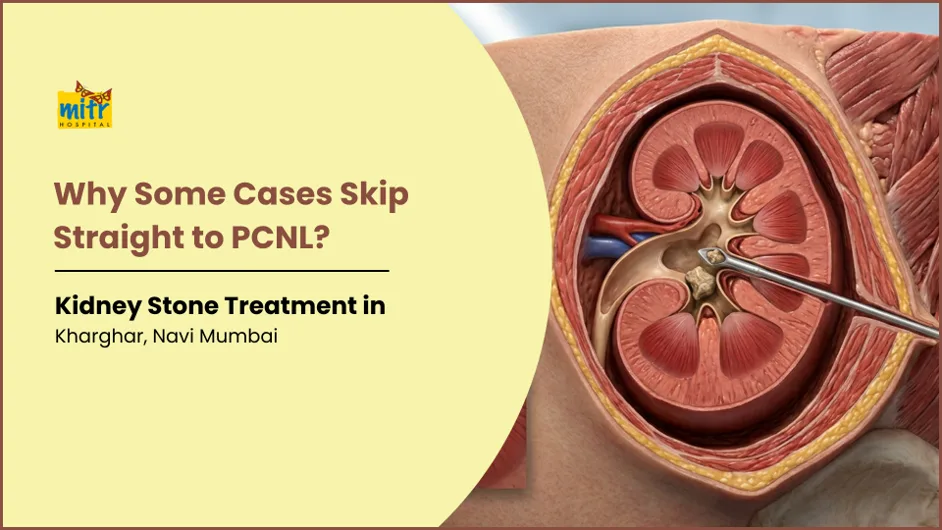
    PCNL surgery for kidney stones: why some cases skip straight to PCNL

    Why Do Some Kidney Stones Need PCNL Surgery Directly?

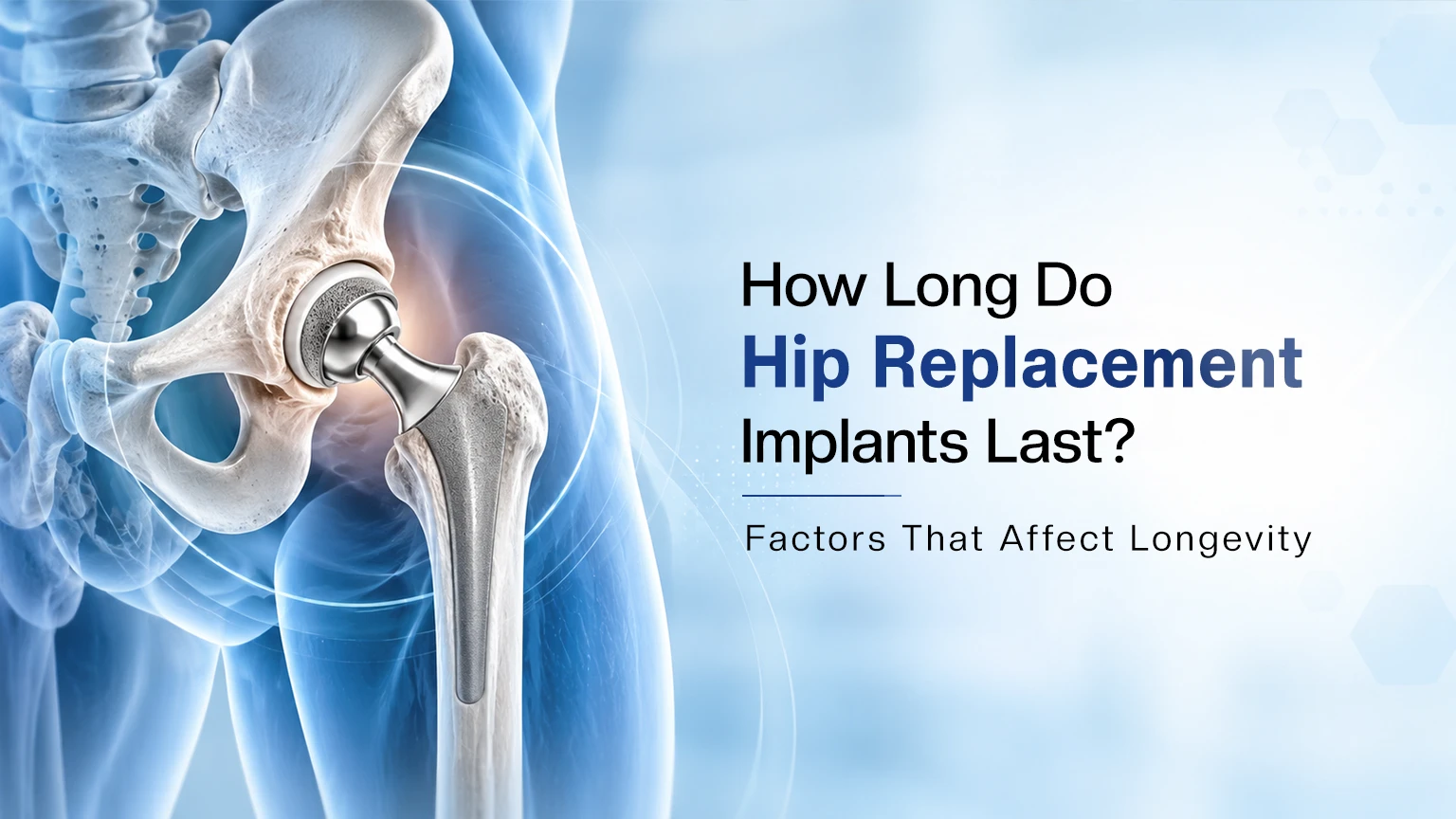
    How Long Do Hip Replacement Implants Last? Factors That Affect Longevity

    How Long Do Hip Replacement Implants Last? Factors That Affect Longevity

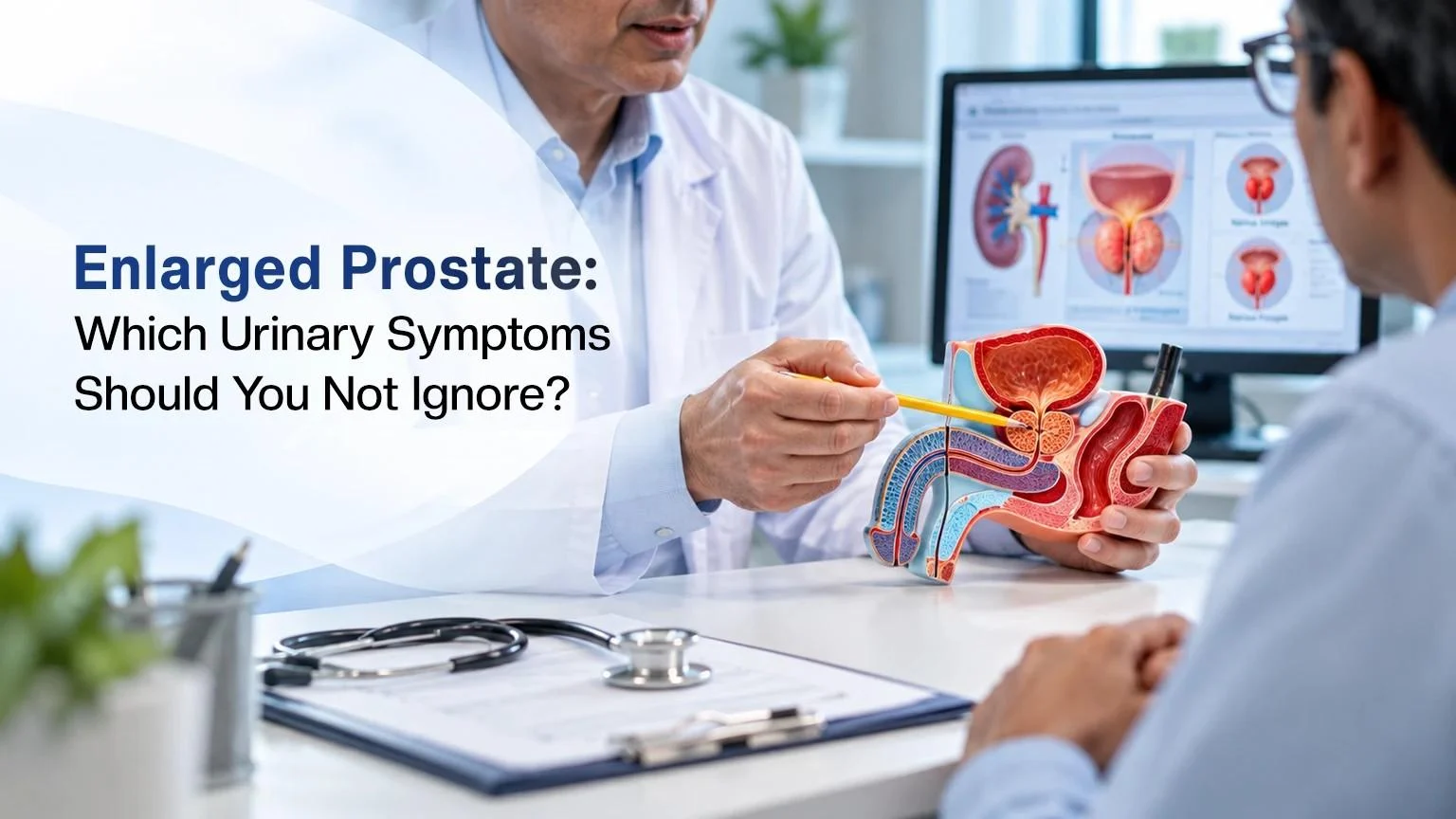
    urinary symptoms not to ignore

    Enlarged Prostate: Which Urinary Symptoms Should You Not Ignore?

    Kidney Stones in Your 20s and 30s

    Kidney Stones in Your 20s and 30s: Why Younger Patients Are Showing Up More

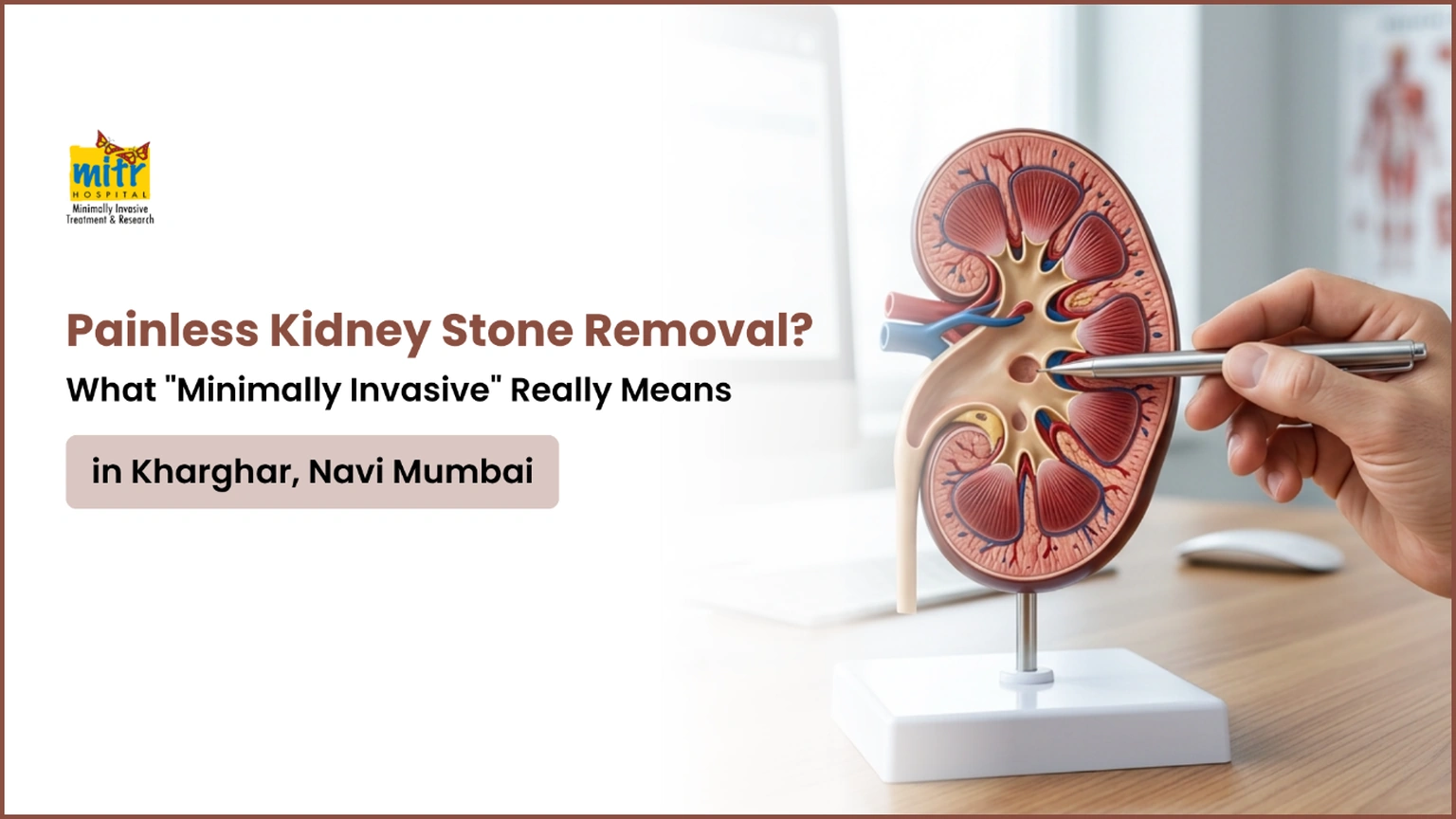
    Painless Kidney Stone Removal

    Painless Kidney Stone Removal? What “Minimally Invasive” Really Means in Kharghar

    Urology & Andrology

    • Kidney Stone
    • Laser surgery
    • Lithotripsy
    • Prostate enlargement
    • Urine Incontinence
    • Bladder Cancer
    • Kidney Cancer

    GI + Laparoscopy

    • Single incision Lap surgery
    • Hernia
    • Gall Bladder stone
    • Appendicitis
    • Piles Surgery
    • Intestinal Diseases

    Pediatric Urology

    • Hypospadias
    • Antenatal Hydronephrosis
    • Undescended testis
    • Pelvi-ureteric junction (PUJ) obstruction
    • Hernia in children
    • Vesicoureteral Reflux

    Gynecology

    • Menstrual Irregularities
    • Fibroid Uterus
    • Uterus Removal
    • Ovarian Cyst
    • Endometriosis
    • Infertility
    • Adenomyosis
    • PCOS
    • Post menopausal bleeding

    Gastroenterology

    • Luminal GI
    • Advanced endoscopy
    • Hepatology

    Orthopedic

    • Hip Replacement
    • Knee Joint Replacement
    • Sports Injuries
    • Arthritis Treatment
    • Fracture treatment

    Quick Links

    • Patient & Relatives Guide
    • FAQ’s
    • Privacy & Policy
    • Terms & Conditions

    Contact Us

    Location

    Plot:37, Eden Gardens, Opposite Harmony International School, Sector-5, Kharghar, Navi Mumbai, Maharashtra 410210

    Contact No

    +91 9004290790
    +91 6262690790
    +91 6262840940

    📅 Book Appointment
    Copyright 2026 @ All rights reserved with MITR Hospital. Powered by The Adroit
    • →
    • Contact Us
      Contact Form

    • Phone
    • Appointment
    • Facebook
    • Instagram Page
    • YouTube