Myomectomy is a surgical procedure performed to remove uterine fibroids. This surgery aims to preserve the uterus while addressing issues associated with fibroids, such as pelvic pain, heavy menstrual bleeding, or fertility problems.
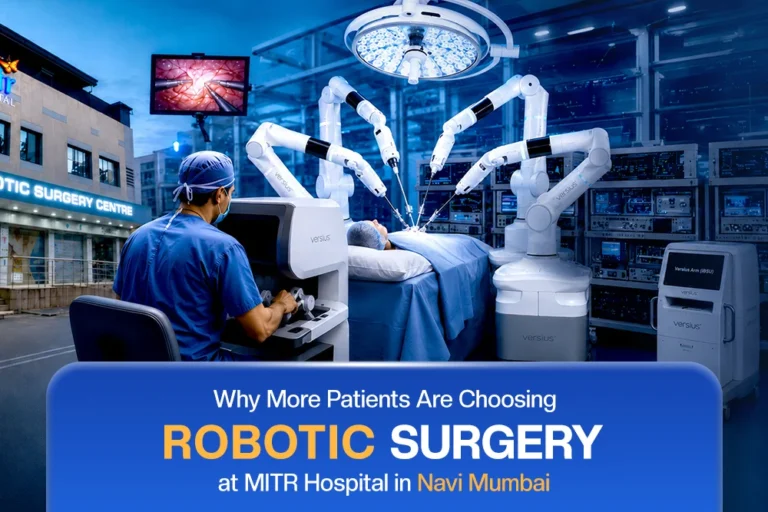
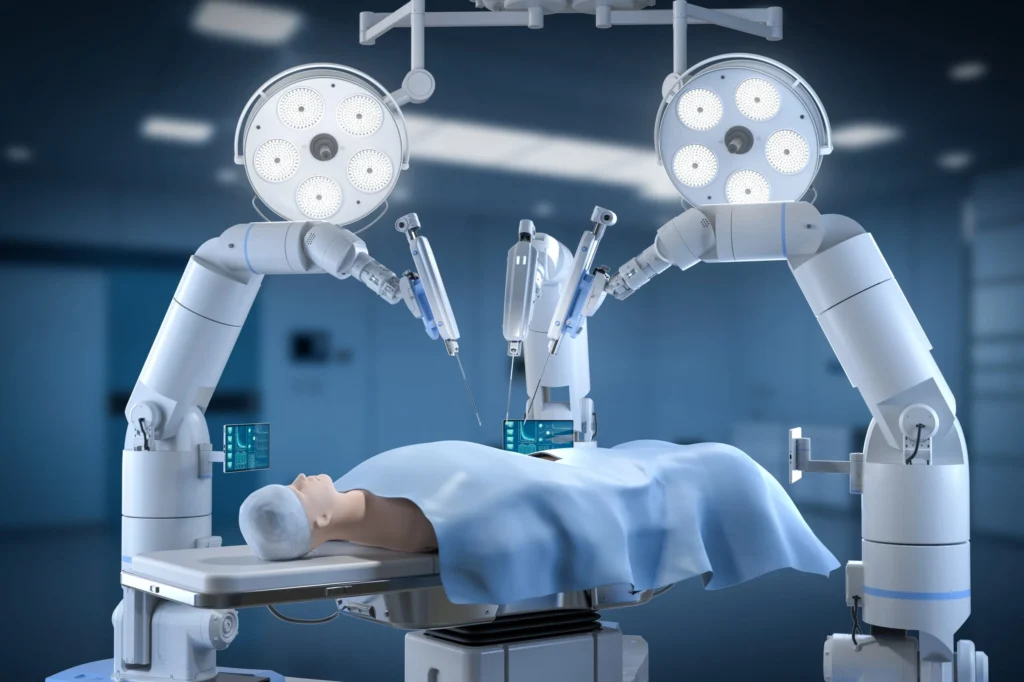
The advent of robotic myomectomy has revolutionized gynecological procedures, providing a transformative dimension for gynecologists, particularly in the realm of myomectomy surgeries. This advanced surgical approach leverages robotic technology to enhance precision and flexibility during the removal of uterine fibroids. With the aid of robotic arms controlled by the surgeon, more favorable patient experiences are obtained. Robotic myomectomy represents a significant leap forward in gynecological care, empowering both surgeons and patients with cutting-edge advancements in the pursuit of optimal outcomes for myomectomy procedures.
Laparoscopic-assisted Robotic Surgery presents several benefits in the realm of minimally invasive surgery (MIS), overcoming limitations faced by traditional laparoscopic approaches. Here are some of the pros –
- Enhanced Precision with 270-Degree Wrist Movement: Laparoscopic-assisted Robotic Surgery addresses the limitations of traditional laparoscopic surgery by providing a remarkable 270-degree wrist movement. This increased range of motion allows surgeons to navigate and access deeper pelvic areas with greater ease and accuracy.
- Finer and More Precise Movements: The robotic technology employed enables surgeons to execute finer and more precise movements during the procedure. This level of control enhances the surgeon’s ability to manipulate instruments with delicacy, contributing to improved surgical outcomes.
- Minimized Damage to Surrounding Structures: Laparoscopic-assisted Robotic Surgery minimizes damage to surrounding structures during the surgery, a critical aspect in achieving better outcomes for both the doctor and the patient. The precision offered by robotic assistance reduces the risk of inadvertent damage to adjacent tissues, promoting a more targeted and effective procedure.
- Optimal Patient Outcomes: The combination of increased precision, finer movements, and minimal damage to surrounding structures results in optimal outcomes for patients undergoing this procedure. Patients often experience reduced postoperative pain, shorter recovery times, and minimized scarring compared to traditional open surgeries.
- Evolution with Advancements in AI: The field of minimally invasive surgery, especially Laparoscopic-assisted Robotic Surgery, is evolving in tandem with advancements in artificial intelligence (AI). Ongoing upgrades in technology contribute to refining the nuances of this advanced procedure, ensuring that the technique continues to progress toward achieving greater perfection.
Laparoscopic-assisted Robotic Surgery stands out as a cutting-edge approach in minimally invasive surgery, offering enhanced precision, finer movements, and reduced impact on surrounding tissues. As technology evolves, the continuous refinement of this technique through AI integration underscores its commitment to achieving the highest standards in gynecological procedures.
Minimally Invasive Surgery is a highly effective choice for addressing Myomas or Fibroids, offering several advantages. This approach allows for the precise removal of multiple fibroids, including those located deep within the tissues. The meticulous suturing of the uterus is achieved with utmost precision. The minimalistic nature of the procedure not only contributes to a reduction in pain but also promotes a remarkably swift recovery in patients.
FAQs Navigating Myomectomy Options – Understanding Benefits of Laparoscopic-assisted Robotic Surgery
Myomectomy is a surgical procedure performed to remove uterine fibroids while preserving the uterus and maintaining reproductive potential.
Myomectomy is commonly recommended to treat symptoms caused by fibroids, such as heavy menstrual bleeding, pelvic pain, pressure symptoms, and fertility concerns.
Robotic Myomectomy is an advanced minimally invasive procedure that uses robotic-assisted technology to remove uterine fibroids with greater precision and control.
Robotic Myomectomy uses robotic arms controlled by a surgeon, offering enhanced precision, better flexibility, smaller incisions, and potentially faster recovery compared to traditional open surgery.
Benefits may include reduced pain, minimal blood loss, smaller scars, shorter hospital stays, faster recovery, and improved surgical precision.
Yes. Since the uterus is preserved during the procedure, Robotic Myomectomy may help women maintain fertility and future pregnancy possibilities.
Yes. Minimally invasive robotic procedures can effectively remove multiple fibroids, including fibroids located deep within uterine tissues.
Yes. Robotic technology allows precise movements that help reduce unnecessary damage to nearby structures and tissues during surgery.
Recovery is generally quicker compared to open surgery, and many patients return to daily activities sooner depending on individual recovery and medical advice.
Robotic Myomectomy is considered a safe and effective surgical option when performed by trained specialists using appropriate technology and patient selection.
Was this Blog helpful?
Thank you for your feedback!